
Pokies with return percentage display live are starting to show up on more Australian screens, and for anyone who has traded markets or priced books, the appeal is obvious: you can see the theoretical return before you commit a spin. The catch is that a displayed percentage is a long-run model, not a promise for your session, and treating it like a guarantee is where most players lose their discipline. This piece looks at how those displays actually behave on mobile, what they mean for bankroll management, and which kinds of players are most likely to use them sensibly.
How the live percentage display works on mobile
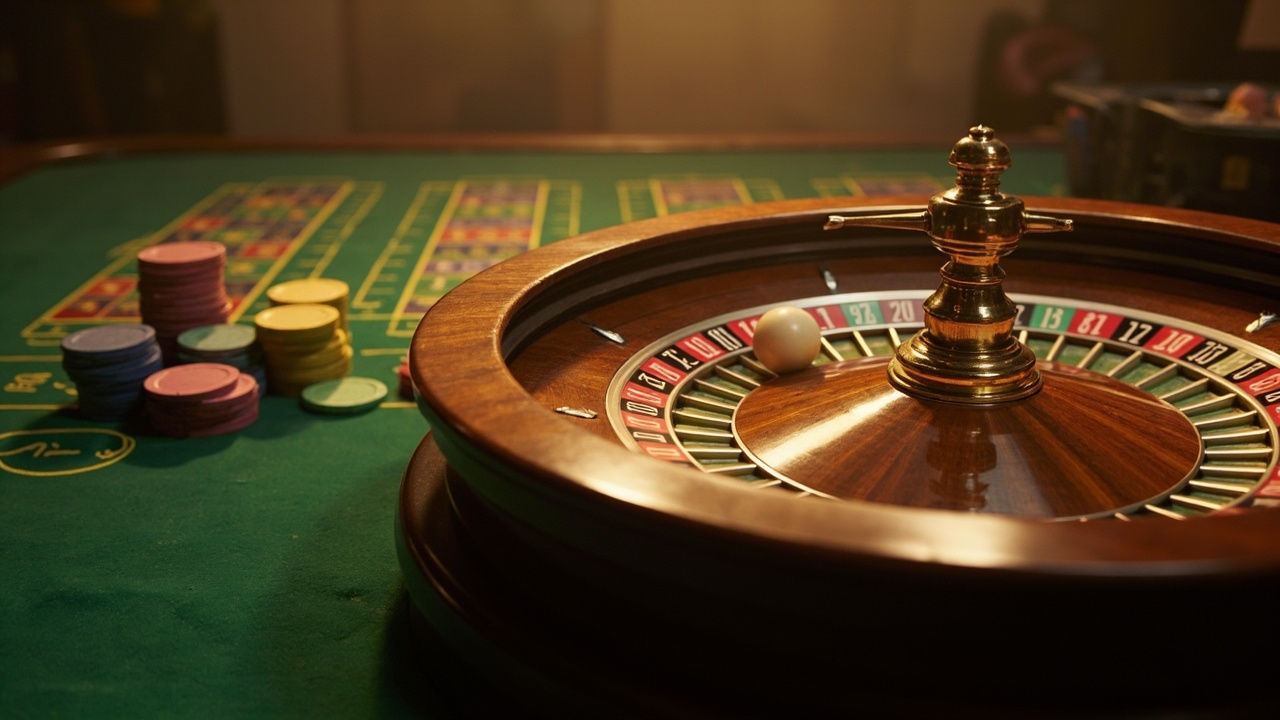
On a decent mobile browser or app, the return percentage display sits near the game info panel and updates as the round loads, usually showing the theoretical return to player rather than any live outcome. The numbers are pulled from the game configuration and the operator’s pricing setup, so what you see is a model figure tied to the paytable and hit frequency, not a readout of what the machine will do in the next hour. From a risk perspective, that distinction matters more than the font size or the animation around the number. I have spent years watching traders overreact to a live feed that was actually just a stale price, and a return display can trigger the same kind of false confidence if you read it as short-term signal instead of long-run expectation.
Mobile usability is where the difference between a polished product and a clunky one shows up fast. A well-built interface keeps the display visible without hijacking the screen, lets you tap through game info without losing your place, and keeps spin navigation responsive even when the network dips. Poor implementations bury the figure behind multiple menus, resize it awkwardly on rotation, or refresh it so slowly that it feels decorative rather than useful. If you are playing in an arvo on a train through Sydney, you do not want to be wrestling with a layout that turns a simple info panel into a guessing game. The display should be there when you need it, out of the way when you do not, and consistent across portrait and landscape.
What the percentage actually tells you
The single most important thing to remember is that a return percentage is a theoretical average across a very large number of spins, not a personal forecast. Marketing around “loosest slots” is exactly that, marketing, and it does not convert into a guaranteed result for any individual session. The display can help you compare games on a like-for-like basis, but it cannot tell you whether your next ten spins will cover your coffee or drain a modest bankroll. That is why anyone pricing exposure for a living treats the number as one input among many, not a decision-making shortcut.
Daniel Graham, Marketing Director, Top End Gaming Advisory, has put it plainly: a return display is useful for comparison, but players who treat it as a session guarantee are misunderstanding what the figure represents. His point is that the number belongs to the game design, not to your timing, your stake, or your luck on a given evening. That caveat matters because a high displayed return can still come with volatility that makes short runs feel punishing, and a lower-return game can feel smoother over a longer session if the hit pattern suits your bankroll. The display is information, not advice, and it works best when you use it to choose a game that fits your risk tolerance rather than to chase a number you hope will rescue a bad run.
For players who like to think in terms of exposure, the display is most useful when paired with a simple stake plan and a clear stop point. If you know your session budget, your preferred spin value, and the point at which you will walk away, then the percentage becomes a reasonable guide to which game’s structure matches that plan. If you do not have those boundaries, the display is just a shiny number that can make a risky session feel more legitimate than it really is. That is the difference between using information and being used by it.
Who this display setup suits best
This kind of live percentage display is a reasonable fit for players who already think in terms of plans, limits, and comparison rather than anyone chasing a quick result. If you are the sort of player who checks paytables, compares games before committing, and prefers a mobile layout that keeps the essentials easy to read, the display can save you time and help you avoid games whose structure does not suit your bankroll. It is less useful for anyone who wants the number to do the thinking for them, because no display can turn a volatile game into a dependable one.
It also suits players who are comfortable treating the figure as a guide to game selection rather than a promise of outcome. That means being honest about session length, stake size, and the fact that even a well-displayed return is built on a long-run model. If you are playing on a phone in Sydney after work and you want a game that fits your plan, the display can help you pick one. If you want certainty, no display will give it to you, and pretending otherwise is the fastest way to turn a bit of useful information into a costly misread.

If you are starting out and want to test a site’s mobile layout and display behaviour without committing straight away, you can look at a fair go no deposit bonus for new players and see how the interface behaves before you decide whether the numbers are worth your attention. That kind of cautious first step is usually smarter than throwing money at a display you have not yet learned to read.
Start by checking if the navigation menus expand correctly and if the text remains legible on smaller screens. You can easily find a fair go no deposit bonus for new players by visiting https://fairgobonuscode.net/au/ and examining how the site handles different devices. This approach ensures you understand the user experience before investing any time or funds into the platform.
Pokies with return percentage display live can be a genuinely useful tool for players who understand what the number represents and use it to choose games that fit their plan. Treat it as information, keep your stakes and stop points clear, and you will get a lot more value from the display than from the fantasy that it can predict your next spin.